

Recycling For Kids
Helping kids to better understand how important recycling is can be difficult. As a parent, you’re probably juggling lots of things, so here at SCS Waste, we’ve put together a simple piece that you can go through with your child to educate them on recycling.
Look out for our quiz, too! You can test your child’s knowledge once you’ve explored the content on this page.
What is recycling?
Let’s start with a quick look at what recycling is.
Recycling means taking unwanted rubbish and turning it into something new. If we don’t recycle rubbish, it means it will have to be burned or placed in a hole in the ground (landfill).
It also means more rubbish will end up in the oceans and in the natural environment around us, that’s why it’s really important to recycle as much as you can!
Recycling facts for kids
- Recycling old newspapers and magazines into new issues can take as little as seven days
- We throw out roughly 9.1 billion plastic bottles each year in the UK
- Nearly 60% of all waste that goes in the bin could actually be recycled
- Each household in the UK creates 1 tonne of waste annually – the same weight as a fully-grown walrus
- Glass can be recycled over and over, yet 14 million bottles and jars go to landfill here in the UK each day
- If you recycle one aluminium can, you can save as much energy as it takes to power a TV for three hours!
- Did you know that the toilet paper you use is likely to be made from recycled paper?
Recycling ideas for kids
What can you recycle at home?
Your house is probably full of materials just waiting to be recycled. If you’ve got any of the following that needs to go in the bin, ask your mum or dad if you can help to decide which bin it should go in:
- Glass – bottles and jars
- Aluminium – cans
- Paper and card
- Food waste
Some of these items may need to be rinsed out before you put them into recycling bins to ensure they can be collected. Items like cardboard and paper that have absorbed grease or that have food waste stuck to them can’t be recycled.
Electrical items and batteries can’t go in your bin at home either, but there are other recycling points for them to help keep as much waste away from landfill sites as possible.
The more you can recycle, the better it will be for our planet. If you don’t have a bin for the specific waste types, see if you can find other ways of reusing them with some of the fun activities we’ve listed under ‘Advice for parents’.
Recycling beach waste
Because we’re so close to the coast, the beaches here are very special to us at SCS Waste. That’s why we want to focus on recycling at the beach as well as at home.
Every year, 12.7 million tonnes of plastic enter our oceans – not only does it look horrible, but it’s also bad for all the animals that live there. Plastic bags can trap marine life, while even microbead plastic can be ingested by fish, causing them long-term harm.
If you’re keen to help the environment, then litter picking your local beach could go a long way. Not only will it keep the area clean for local wildlife, but it can be a rewarding activity to do as a family.
Recycling symbols and what they mean
Here’s a handy table where you can see different examples of recycling symbols and what they mean.
 This is the universal sign for recycling, with three arrows rotating in a triangle formation.
 If you see this symbol, it means the item cannot be recycled.
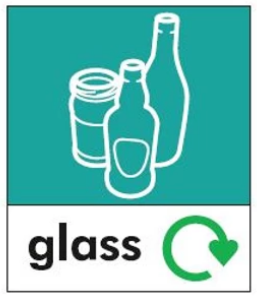 This symbol is used for glass recycling, showing jars and bottles on a turquoise background.
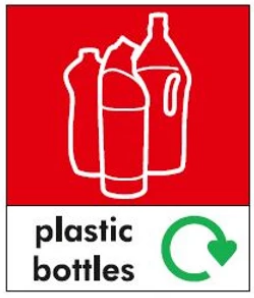 This symbol is used for plastic bottle recycling, showing bottles on a red background.
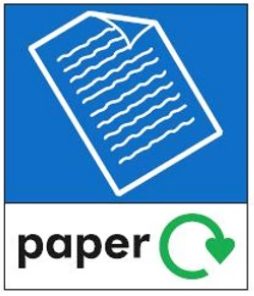 This symbol is used for paper recycling, showing a sheet of paper on a blue background.
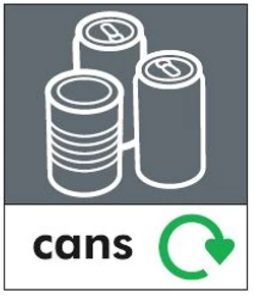 This symbol is used for aluminium can recycling, showing cans on a grey background.
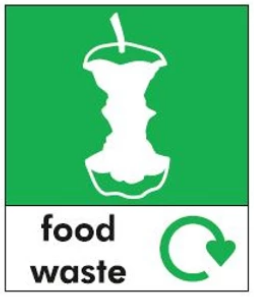 This symbol is used for food waste recycling, showing an apple core on a green background.
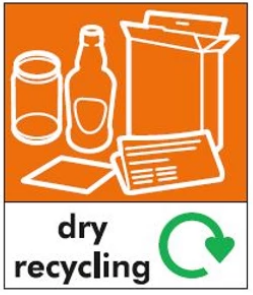 This symbol is used for dry recycling, showing paper, card and glass bottles on an orange background.
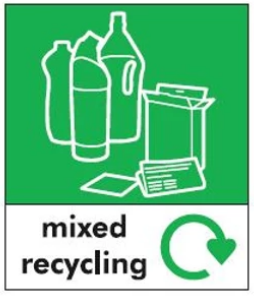 This symbol is used for mixed recycling, showing paper, card and plastic bottles on a green background.
Advice for parents
How do you teach kids to recycle?
Teaching kids to recycle is really important. The more we teach children about how to look after our planet and our local area, the better we’ll be at reaching the goal of sustainability. It’s their future to inherit, but it’s our job to help educate them.
An easy slogan to remember when talking about recycling with kids is reduce, reuse, recycle. This sets out basic principles that are easy to break down and explain.
Reduce – Start with the simple idea that the less waste we produce, the easier it will be. A good example of this is buying food like fruit and veg that isn’t covered in unnecessary plastic packaging.
Reuse – Can the things you buy be used more than once? Let’s reuse what we buy and then we won’t have to waste as much! This can be as simple as reusing a water or juice bottle by refilling it multiple times, saving you from having to buy new bottles every time.
Recycle – The final piece of the puzzle is to maximise recycling. Whatever can’t be avoided or reused should be recycled to give the material a new life and to prevent the need for using up more natural resources.
There are also plenty of ways you can help encourage your child to recycle and get them involved:
Make things easy – Recycling doesn’t have to be a chore; just make things easy for kids to remember and help with. This can involve colour coding your bins so they know which items go in which bin and giving them the responsibility of collecting items for the different bins.
- Get creative – Kids love to get involved in making things, so why not use some unwanted materials as part of your arts and crafts? Plastic bottles can be turned into musical shakers, while old newspapers and magazines can be cut up into fun collages. You could even get them to create the signs for your colour-coded bins.
- Be part of it – If you really want to succeed in getting your children to invest their time in recycling, you need to do so as well. When they see us doing things, they often want to copy, but by also talking to them about how important recycling is, they’ll be more likely to develop good habits for the future.
- Turn it into a game – Kids always enjoy games, whether it’s a reward chart where you use stickers to mark off how many items they recycle, or just a guessing game where you save up items to be recycled and get them to guess which bin it goes in, they’ll feel more involved.
Recycling activities
The more we engage children with the idea of recycling, the more they’ll want to do it. Here are some other fun recycling activity suggestions:
- Create pencil holders from old tin cans by decorating them with paper that the kids can design or with old wrapping paper
- Get them to make their own toys from old shoe boxes – let them use their imagination; it could be a garage for toy cars or a house for other small toys
- Make their name in textiles by drawing on the unwanted textile to be cut out and stuck onto cardboard backing – get the kids to choose the material from different scraps you have and let them do some cutting with child-safe scissors while you supervise
- Check for local recycling schemes and get their school involved so they can share the fun with classmates
- Get them involved in general house clear-outs to organise items into different piles for recycling and donating to charity
And finally, why not get your child to take our recycling quiz so they can put their knowledge to the test?
[wpViralQuiz id=1243]
SCS Waste
April 7, 2022Book a skip online from anywhere in Bognor Regis.
Need mini, midi, or roll-on roll-off skips?
We also offer wait and load skips for quick waste disposal.